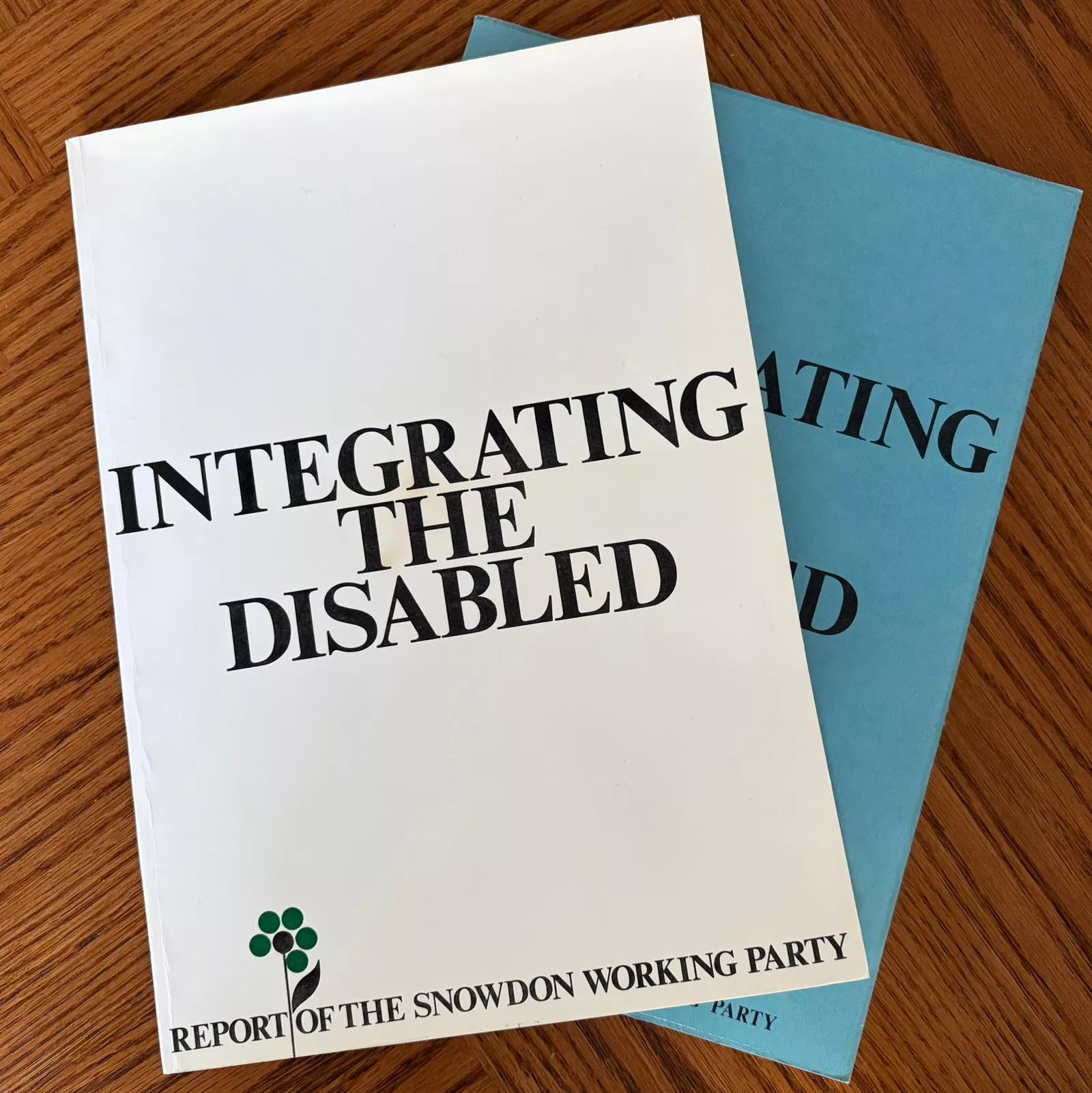
In March 2026, the Department for Education (DfE) launched the Government consultation Assistive software funded through Disabled Students’ Allowance.

Disabled Students’ Allowance (DSA) is a government grant that helps cover additional study-related costs disabled students may face, including specialist equipment, non-medical support, transport and assistive software. Assistive software includes tools that help disabled students overcome barriers to studying, such as reading, writing, note-taking and organising information. At present, this software is routinely funded through DSA where it is recommended as part of a student’s support package.
The consultation proposed a significant shift in approach. It argued that advances in technology, including AI-powered and built-in accessibility tools, mean many software solutions are now freely available. Under the proposed model, DSA-funded assistive software would only be provided in exceptional circumstances, where a student’s disability-related needs could not be met through free or built-in alternatives.
This change could have wider consequences beyond software alone. By reducing the range of software funded through DSA, it may also make it harder for students to access funding for higher-specification computers needed to run specialist tools, shifting more costs onto disabled students and charitable organisations.
As a charity dedicated exclusively to supporting disabled students in higher education, the Snowdon Trust opposes these proposals. We are concerned that they are driven primarily by a desire to reduce costs rather than by evidence of student need. If implemented, the proposals risk limiting access to appropriate support for some of the most vulnerable students in higher education.
The consultation asked respondents to answer a narrow set of prescribed questions, leaving little scope to address wider concerns. While we responded to those questions, we also submitted a fuller response to the Department for Education setting out issues that fell outside the consultation’s structure. This article summarises those concerns.
Our perspective is evidenced by the lived experiences of disabled students. We distributed a survey to applicants to our grant and scholarship programmes, inviting them to share their views on the proposed changes to assistive software funded through the DSA. We received 77 responses from students who said that they directly benefitted from DSA-funded assistive software. This evidence was supplemented by a discussion with our expert grant panel.
In our response to the consultation, we raised several specific concerns related to cost-cutting. Firstly, the idea that free or built-in “readily available” assistive software tools are sufficient. Just because a software is free, built-in, or otherwise “readily available” does not mean it is accessible, effective or appropriate in addressing a specific disability-related barrier. In fact, students and our grant panellists reported that free apps are often limited and unreliable. Where computers do have advanced accessibility features, they tend to be the most expensive, leaving disabled students burdened by a higher price tag. 63.6% of respondents to our survey disagreed or strongly disagreed that free or built-in tools met their disability-related needs as effectively as paid assistive software.
Where paid software is deemed necessary, the consultation suggests that needs assessors must provide multiple quotes for assistive software, and SFE will select the cheapest. The Snowdon Trust is concerned that this risks undermining professional judgement. There is a strong risk that the proposal to default to the lowest-cost option will reduce the current effectiveness of assessor recommendations.
“I am so thankful to my DSA assessors who listened to my specific difficulties and were able to… make insightful suggestions about what software would work best.”
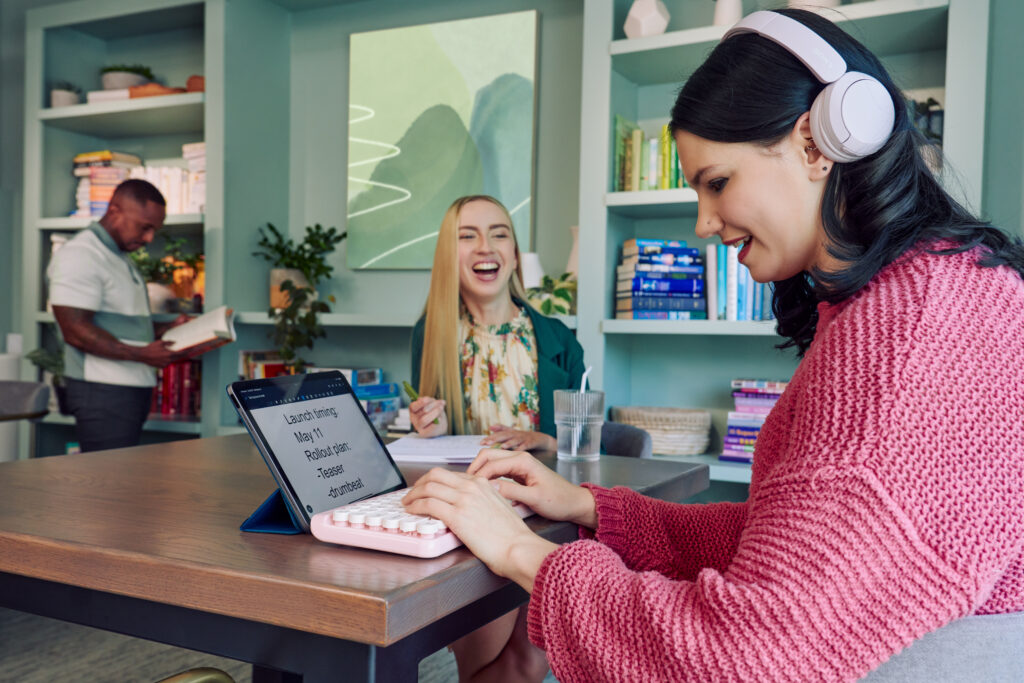
An example of the specific necessity of paid assistive tech, which the consultation fails to consider, is note-taking, recording and captioning software. Note-taking software helps students capture and organise information without relying solely on handwriting/typing everything in real time. Recording software captures the audio of lectures, seminars, or meetings so students can revisit the content later. Captioning software converts speech to text, either through live captioning or transcription. The consultation proposes that recording software remain standard DSA provision, but that note-taking and captioning software be awarded only in exceptional circumstances.
This proposal, however, fails to understand that a recording is often only useful when used alongside the note-taking and captioning software which render it navigable. As one respondent to our survey said, “Keeping one while withdrawing the others leaves disabled students with half a solution and expects us to be grateful for it.” Several respondents tested free alternatives and found them inaccurate, particularly with technical vocabulary, accents or poor video quality. Paid note-taking and captioning software, on the other hand, was described as transformative and irreplaceable.
Underlying these proposed cuts to the provision of assistive software is the “exceptional circumstances” framework. This framework functions to tighten eligibility for funding to a comparatively small number of students, for whom exceptions will be made on a case-by-case basis. What exactly constitutes “exceptional circumstances” is, however, not clearly defined. The Snowdon Trust is concerned that there is likely to be a significant underestimation of the number of students who will fall under the category. Additionally, what is judged to be “exceptional circumstances” also risks reinforcing the idea that some disabilities require inherently less or different levels of support.
Text-to-speech software, for example, would be withdrawn (except in “exceptional circumstances”) for students with dyslexia, ADHD, autism, or mental health conditions, while remaining funded for students with visual impairments. Many respondents emphasised that the functional need for this software (inability to decode or sustain attention to extended text) is the same for students with dyslexia/ADHD/autism/mental health conditions as it is for visually impaired students. The proposal for an “exceptional circumstances” framework risks creating a hierarchy of need, in which students feel they have to prove they are ‘disabled enough’ to qualify for support.
“I have autism and struggle with large paragraphs and focus, if I did not have access to a text-to-speech software I wouldn’t be able to do any research.”
These concerns are not grounded in speculation. In 2016-17, funding for disability-related accommodation costs was withdrawn from the DSA on the assumption that universities would take over the responsibility. In practice, they haven’t consistently done so. Each year, a notable proportion of applications to the Snowdon Trust relate to accessible accommodation: 12% in 2025, 11% in 2024 and 18% in 2023. Most of these cases fall within the expected remit of universities, yet many students do not receive adequate provision. If assistive software funding is shifted onto universities in the same way, the concern is that the same pattern will repeat. Responsibility will not be absorbed by universities, but by disabled students themselves who will be forced to go without vital support, or to rely on already overburdened charities for assistive software funding.
Rather than cutting provision across the board, the Snowdon Trust is calling for a different starting point: assess every student on a case-by-case basis, and distribute funding accordingly.
Going forward, we recommend that the Department for Education should:
- Assess individual need, not diagnosis or ‘availability.’ Whether a student qualifies for support shouldn’t depend on their diagnosis or on the availability of a free alternative, it should depend on whether that student can actually manage without it.
- Keep decisions with qualified assessors, not the lowest quote. Needs assessors should keep the final say on which software is funded, not an automatic default to the cheapest option.
- Fix training and onboarding instead of cutting provision. Much of the “overwhelm” the consultation claims to be trying to solve comes from students being given assistive software without proper training or support, not from having too much.
- Reconsider whether an “exceptional circumstances” framework should exist at all. Funding decisions should not be based on a one-size fits all model, wherein diagnosis functions as the primary indicator of need. If the framework is retained, it would need to be far broader than currently proposed, in order to fully appreciate the specific challenges experienced by the individual student and make appropriate provision of support.
This consultation is framed as modernisation, but for many disabled students, it would mean the loss of tools that make higher education possible at all. As one student who responded to our survey said, when disabled people already face significant barriers to completing a degree, cuts to assistive software would only exacerbate these barriers “and create a more unfair, inaccessible education system.” Assistive software, for many disabled students, is not an optional extra but what allows them to engage with their course on equal terms with their non-disabled peers. The Snowdon Trust will continue to make the case that funding decisions should be made based on evidence of what students actually need, not on assumptions about what free software can replace.